
If you have ever stared at the bright yellow sticker on a new air conditioner, you know how confusing the numbers can be. You just want something that keeps your home cool without breaking the bank. That is where the EER Rating comes into play. But is a higher number always better for your wallet? Yeah, pretty much, but there is a catch, depending on how and where you live.
In this quick little guide, we’ll explain what those ratings actually mean in regular, plain life terms so you can make the most sensible decision for your home today, not later.
Understanding the Numbers Behind the Label
EER stands for energy efficiency ratio. It is basically a simple calculation that measures how hard your cooling system has to work to cool down a particular amount of space when it is ninety-five degrees outside. If the number is higher, then you are essentially getting more cooling power for each and every dollar you spend on electricity.
When the summer heat hits real hard, you want an appliance that does its job without draining your bank account too much.
A unit with a high EER Rating will naturally use less electricity to bring the temperature down inside your home. So your monthly utility bills stay manageable even when the weather outside is absolutely brutal, not gonna lie.
Real-World Climate vs. Laboratory Math
However, you need to understand that this rating is a snapshot of peak performance. It tells you exactly how the unit deals with the hottest days of the year.
If you live in a spot where the summers are long, intense, and always kind of scorching, putting extra money up front for a machine that has a stellar rating makes straight sense. You will recoup that money fast through lower monthly operating costs. On the flipped side, if your summers are relatively mild or short, a massive rating might be overkill for your specific situation.
You might spend thousands more on a top-tier machine and never actually save enough electricity to cover the price difference. It is all about balancing the upfront cost of the equipment with your long-term monthly savings goals.
The Big Picture of True HVAC Efficiency
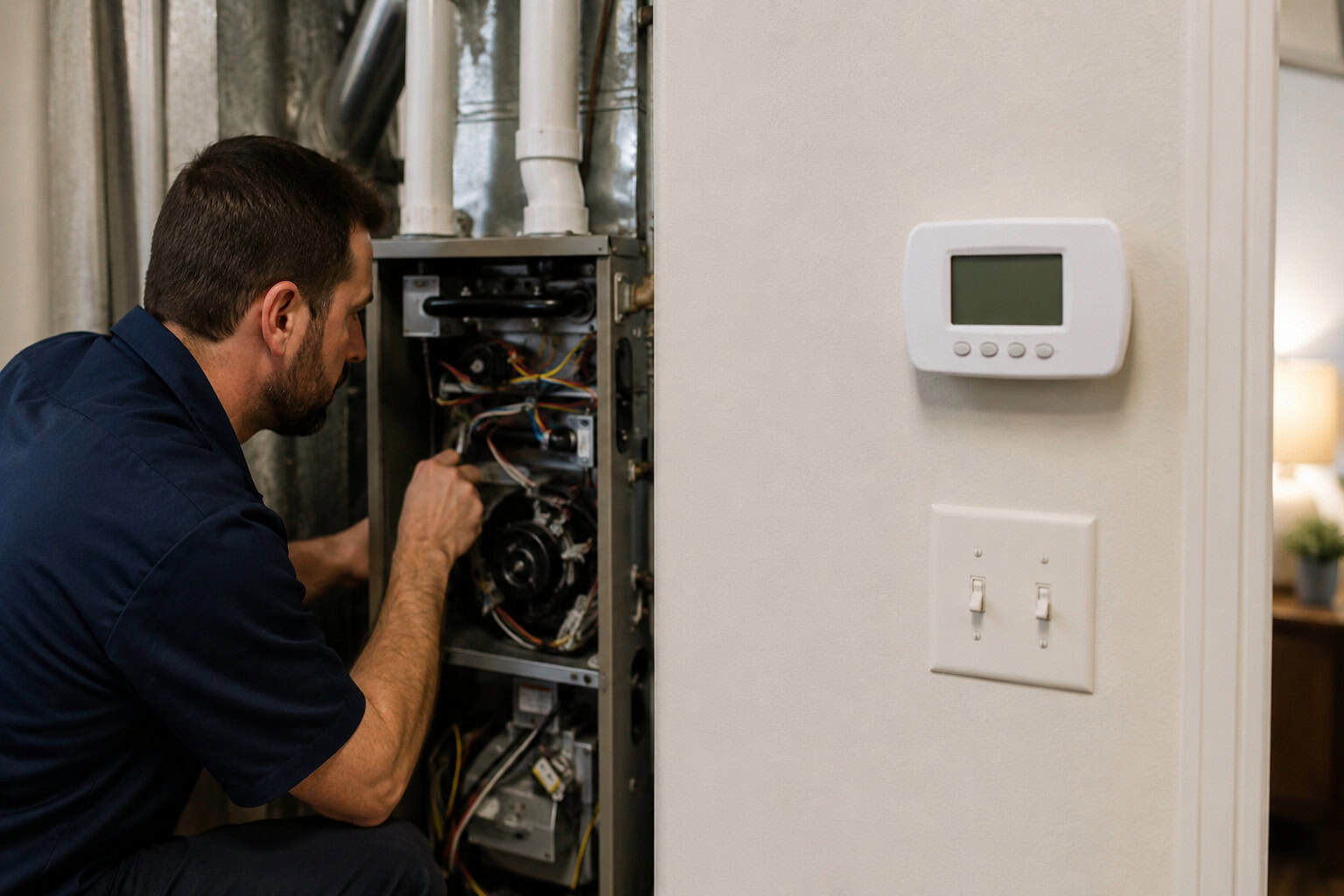
This is where looking at the bigger picture of HVAC efficiency becomes incredibly important. You can’t just stare at one sticker and call it done. The size of your home, how snug your windows really sit, and the actual condition of your ductwork all have a huge influence on how well the whole system keeps doing its job, over time.
If your house lets air slip out like a sieve, then even the priciest cooling unit will be kind of fighting a losing battle. Getting the right match means you have to look at real-world stuff, not just specs. A huge unit that kicks on and off constantly tends to wear out faster and wastes energy, while a small unit might run nonstop and end up draining your electric bill.
Finding that true middle ground is kind of the whole trick, for real air conditioner efficiency and long-term home comfort.
Commercial Needs vs. Residential Comfort
If you are running a local business, the stakes are even higher. Warehouse spaces, offices, and retail storefronts have massive cooling needs that can skyrocket your overhead fast. Putting money into solid commercial HVAC Colorado Springs infrastructure keeps your employees working at a steady pace, and your customers comfortable, without wrecking your bottom line.
Trying to sort through these choices solo can feel, honestly, a bit too much. That’s why it makes sense to loop in real experts who manage these systems day after day.
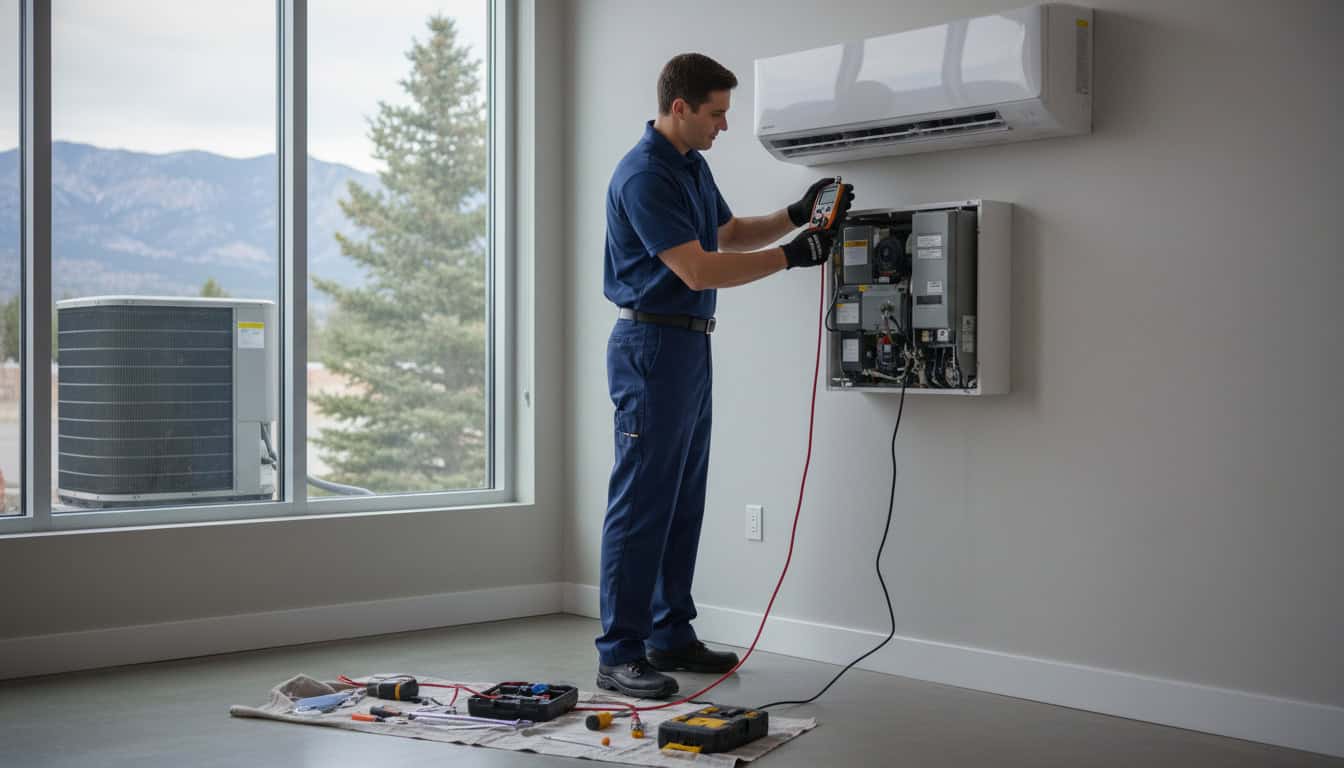
With professional HVAC services, you can expect a more accurate load calculation for your particular building, so you do not end up buying a unit that is too large or too cramped for the space you actually have.
Not sure if a higher rating fits your budget?
[ Talk to a Local Tech Today ]
Why Local Context Matters for Your System
At HVAC Solutions, we live and breathe this stuff every day. We don’t believe in selling you the most expensive unit on the market just because it has a fancy badge. We want to look at your actual house, your budget, and your cooling habits to find a system that makes real sense for your life. As a trusted local HVAC service provider, our goal is to keep you comfortable through the hottest summer stretches without any unexpected surprises.
Maximizing Your Investment with HVAC Companies Colorado Springs
To wrap it all up, a higher efficiency rating is absolutely better for saving electricity, but it needs to match your actual environment and lifestyle. Do not just chase the biggest number on the shelf without looking at your home’s unique layout and insulation.
If you want to make sure you are making the absolute best investment for your property, reach out to the top HVAC companies Colorado Springs has to offer to get an honest, expert assessment.
Ready to start slashing your summer utility bills?
[ Schedule Your Free Estimate ]
Frequently Asked Questions
Q: What is a good EER Rating for my home?
A rating of 14 or higher is generally excellent for residential homes. At HVAC Solutions, we help you find the right EER Rating that balances your upfront equipment costs with long-term monthly energy savings for your specific budget.
Q: How does this rating differ from a SEER rating?
While the standard rating measures how efficiently your cooling unit operates at a specific peak temperature of ninety-five degrees, the seasonal rating calculates the total efficiency across an entire typical summer cooling season with varying temperatures.
Q: Will a high-efficiency air conditioner lower my humidity?
Yes, modern high-efficiency systems are designed to run more consistently, longer cycles at lower speeds. This continuous operation allows the cooling coils to pull significantly more moisture out of the air, making your home feel much more comfortable.
Q: How often should I service my cooling system?
You should schedule professional maintenance at least once a year, preferably in the early spring. Regular tune-ups keep your coils clean, clear out debris, and ensure your system maintains its original efficiency rating for years to come