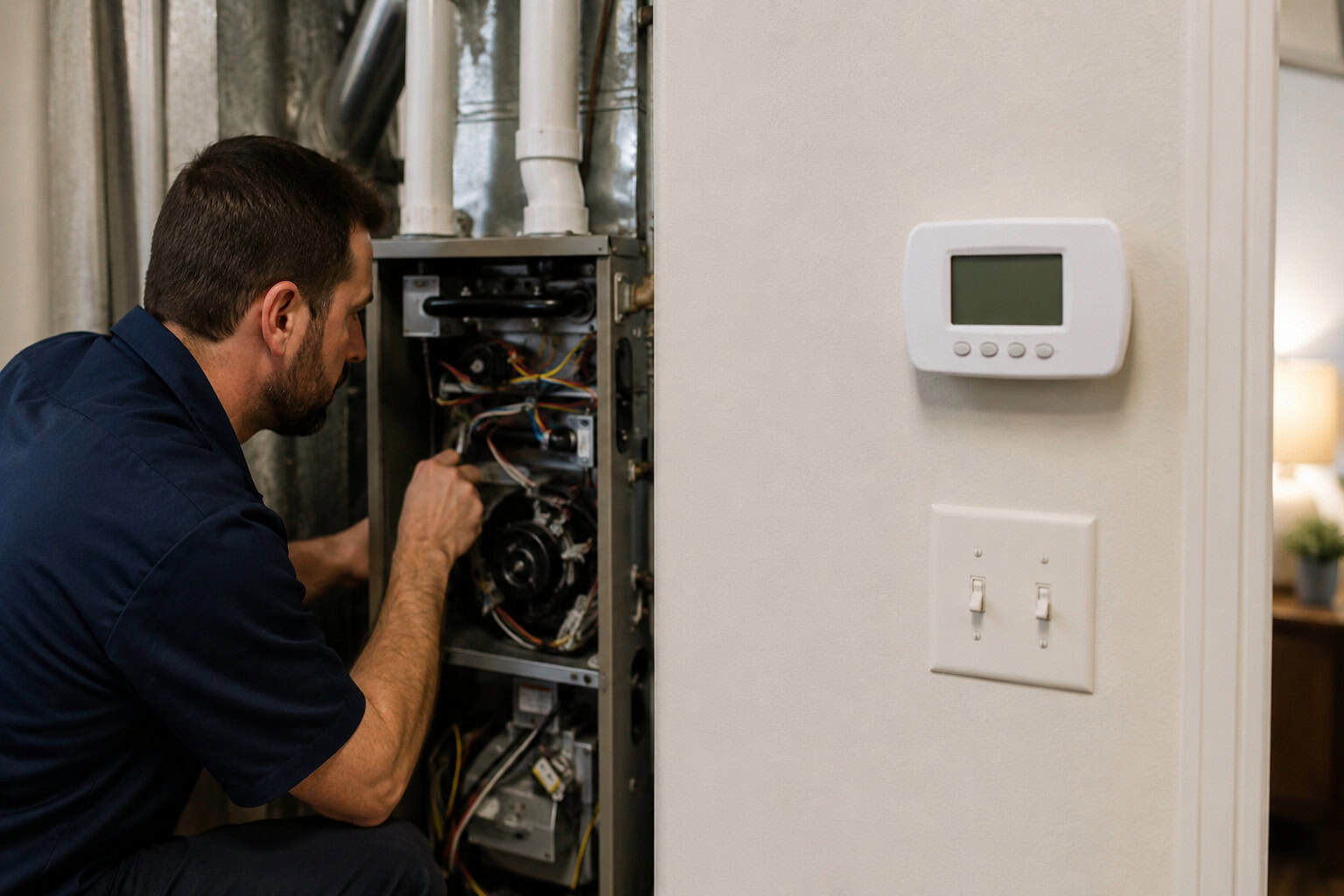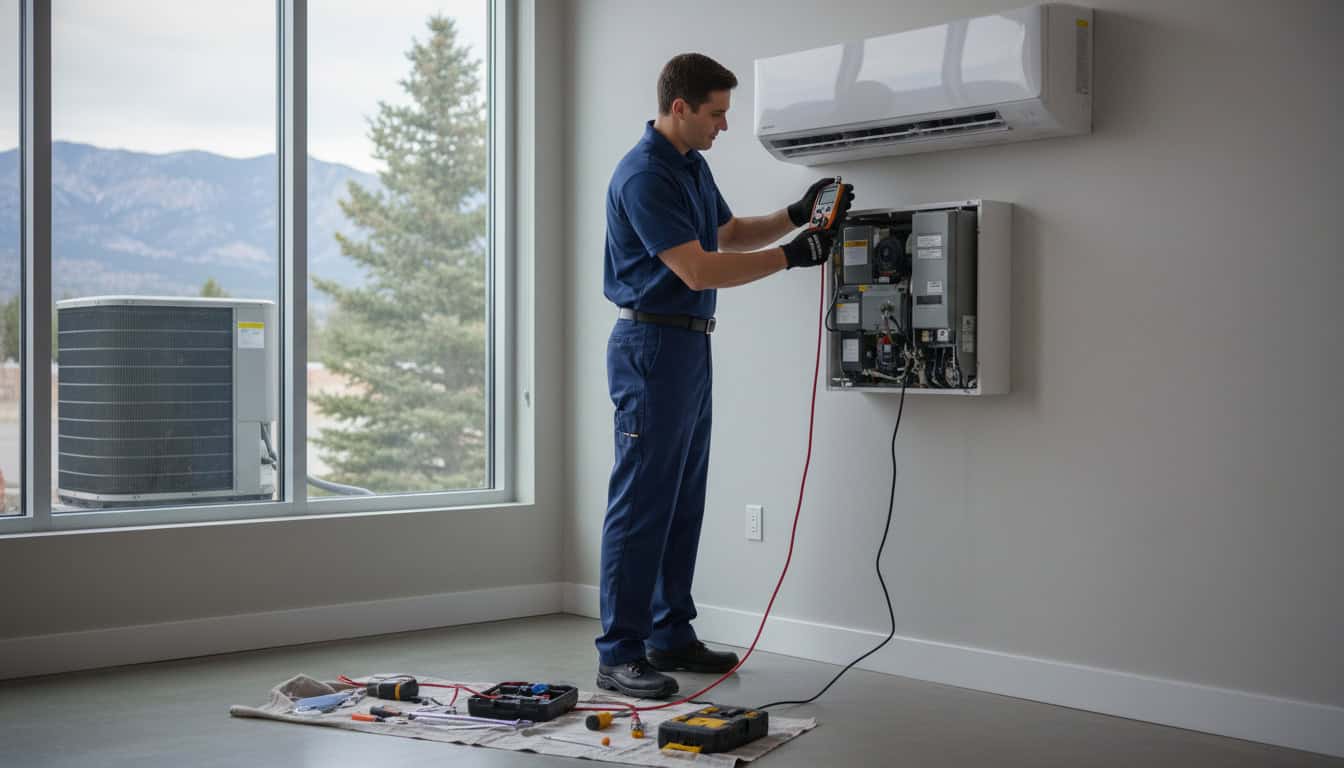
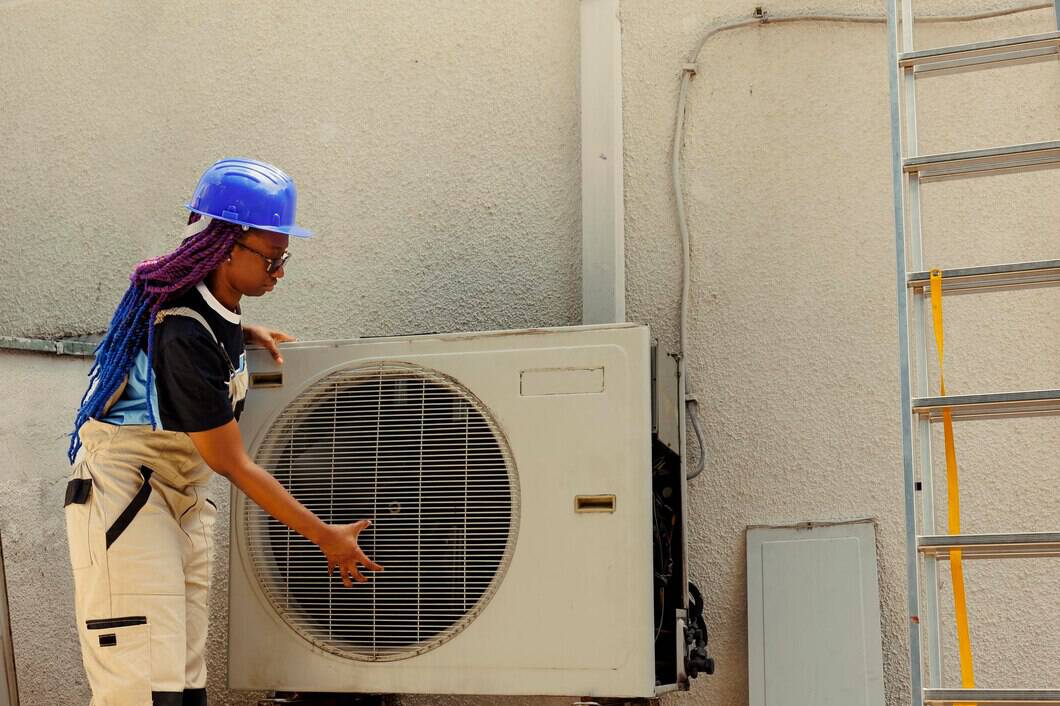
The summers are awesome until the air conditioning gives way on one of those hot days. Your cooling system needs to function extra hard when the heat strikes, and that is precisely the point when all underlying problems come bubbling to the surface. No one would appreciate sweating it out at home, waiting for a mechanic.
In this quick guide, we will look at the most common summer HVAC problems you are likely to run into, how to spot them before things get miserable, and what you can actually do to keep your house cool all season long.
The Usual Suspects Behind Summer AC Issues
Look, the absolute most frequent complaint we get during a heatwave is that the AC is running, but the air coming from the vents is warm. Most of the time, this is not a dead compressor; it’s simply dirty air filters. Most people neglect changing their filters.
As a result, the system stops breathing properly, and the whole thing overheats and breaks down.
This makes things even more difficult. If there isn’t adequate air flow in the system, your interior evaporator coils freeze up and become a block of ice. It may sound strange for an air conditioning system to freeze up during July, but a lack of airflow or low refrigerant can lead to such a situation.
Once that happens, you have a major buildup of Summer AC Issues that will completely block any cold air from getting into your rooms.
Minor Glitches That Trigger a Major HVAC Repair
A lot of times, a massive system breakdown starts as something incredibly small that goes unnoticed. Take your condensate drain line, for example. Your air conditioner naturally pulls tons of moisture out of the air while it cools. That water has to go somewhere, so it drains through a tiny plastic pipe. If algae or dust plugs the pipe, the water backs up fast.
It will either flood your floor or flip a safety switch that cuts power to the unit. Just like that, you are stuck calling for an emergency HVAC Repair over a clog you could have cleared with a wet-dry vac.
The electrical parts take a beating when it is hot outside, too. The capacitors inside your outdoor unit act like little batteries that kickstart the motor. When it is ninety-five degrees, and the AC is cycling on and off all day, these parts burn out.
If you walk outside and hear your AC making a strange clicking or humming sound but the fan isn’t spinning, that capacitor is likely dead.
Tired of dealing with a system that blows warm air?
Spotting Your Specific Cooling System Problems
Ever notice that your upstairs feels like a sauna while your basement is freezing cold? That is a classic sign of bad air distribution, which tops the list of annoying cooling system problems.
In many cases, the issue does not stem from the machinery, but rather your ducts have holes which effectively dump your costly cold air directly into your attic or crawlspace, before it ever reaches your living room.
By ignoring these red flags, you can pretty much guarantee yourself an outright system breakdown. When your AC is fighting, it will continue to run in order to reach your set temperature. That extra strain wears out the motor fast.
Pay attention to weird noises or longer run times now, or you will be paying for it later.
The Power of Routine AC Maintenance
The bright side is that you do not have to deal with most of that aggravation. Performing AC maintenance ahead of time during non-summer months takes care of all the buildup from winter, makes sure your electrical connections are in order, and verifies proper refrigerant levels.
Just like changing your car’s oil in order to prevent the engine from blowing on the road, you change the filter of your AC system.
You will have to clean your outdoor unit as well. For the unit to cool the air it draws from inside, it needs an opportunity to cool down. Therefore, any accumulation of dust, grass, and cottonwood on the unit prevents it from performing its function effectively.
That forces the system to run way longer, spikes your electric bill, and cuts the lifespan of your equipment right in half.
Upgrading to Modern Comfort Options
If your old central air unit is constantly breaking down, or if you live in one of our older local homes that never had ductwork installed, patching it up might be a waste of money.
By searching for ductless HVAC services in Colorado Springs, CO, you may get something far more reliable. Mini-splits will help you keep particular rooms cool while avoiding energy losses via old, drafty ductwork.
In conclusion, one must not face a dilemma of choosing between staying comfortable and bankruptcy. If you look for affordable heating and cooling in Colorado Springs, you will know exactly what to expect, receiving an honest opinion from an expert on whether it’s possible to repair your existing system or buy a new one.
Keep Your Cool with HVAC Solutions
We get how miserable a hot house is, especially when you are just trying to relax after work. At HVAC Solutions, we do not play games with your time or hit you with hidden fees when your cooling goes sideways.
Our team is local, speaks English, and works hard to make your home comfy again ASAP. Your equipment means just as much to us as ours does; therefore, you can count on honest suggestions and reliable service when we show up at your home.
Want to stop your AC from breaking down this summer?
Frequently Asked Questions
Q: Why is my air conditioner running nonstop but not cooling the house?
A: This usually means your airflow is blocked by a dirty filter or your system is low on refrigerant. It forces the unit to work constantly without successfully dropping the temperature inside.
Q: Can I run my AC if the coils are frozen?
A: No. Turn the system completely off and switch the thermostat fan link to “On” to let the ice melt. Running it while frozen can permanently destroy your compressor.
Q: How often should I wash out my outdoor unit?
A: Gently spraying the outdoor coils with a garden hose, once or twice a summer, is a pretty good way to clear out the grass clippings, the cottonwood fuzz.
Q: Why is water leaking out of my indoor AC unit?
A: This happens when the condensate drain line gets plugged with algae or dirt. The condensation has nowhere to go, so it overflows the internal drain pan into your home.