Humidity can mess with your comfort more than heat ever does. You know the feeling. AC is running, but the room still feels sticky. Heavy air. Slight sweat. Just not right. The presence of moisture in the air creates difficulties for cooling systems because their performance appears better on paper than in actual results. The system operates two functions because it provides air cooling while extracting moisture from the environment. That takes effort.
A lot of people respond by dropping the thermostat lower. Doesn’t really fix it. It just runs the bill up. What actually helps is making the system breathe better and handle moisture smarter. That’s where HVAC Energy Efficiency comes in. When things are set up right, your AC doesn’t have to fight so hard, and your home just feels normal again.
Why Humid Weather Feels Worse Indoors
Hot air alone is manageable. Humid air is what makes you uncomfortable. When the air is full of moisture, sweat cannot evaporate because of the high humidity. Your body continues to feel warm and sticky because the AC system in your home provides cooling. The system inside your home operates continuously to achieve both temperature control and humidity control.
And if the system is even slightly off, dirty filter, weak airflow, or old setup, it starts falling behind. That’s when you notice rooms feeling uneven. One room is cold. Another room damp. It gets frustrating fast.
Change Your Air Filter (Seriously, Don’t Skip It)
This sounds basic, but it’s the one thing people ignore the most. A clogged filter slows everything down. Air can’t move properly, so the system runs longer and works harder. During humid weather, that strain doubles because it’s also trying to remove moisture.
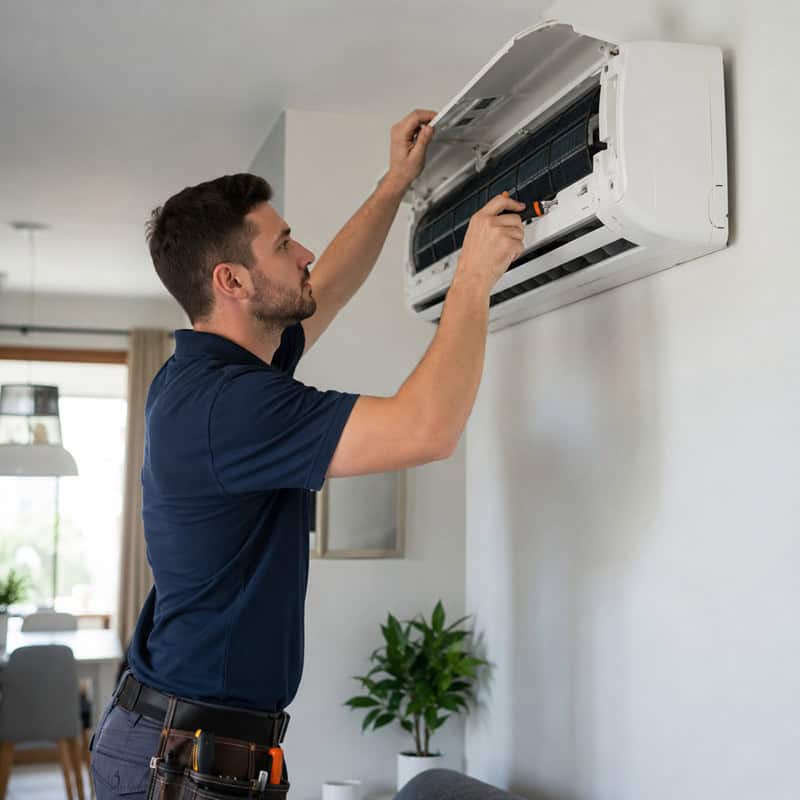
Just check it once a month. If it looks dusty or grey, replace it. No overthinking. It’s one of those small habits that quietly improves efficient heating and cooling without you noticing until your home actually starts feeling better.
Don’t Close Too Many Vents
Many individuals attempt to conserve energy through the practice of closing vents in their empty spaces. The method appears to be intelligent, but it typically produces negative results.
HVAC systems function through their design, which maintains equal airflow throughout their system. The system experiences duct pressure accumulation when you close off the air movement through its vents. That can reduce circulation and trap humidity in certain parts of the house. Then you end up with weird temperature differences everywhere. Keep vents open. Let the air move freely. Even the rooms you don’t use need airflow for the system to stay balanced.
AC not cooling well?
Ceiling Fans Help More Than You Think
Fans don’t lower the temperature. They change how the air feels on your skin. In humid weather, that’s a big deal. Air movement helps sweat evaporate, which makes you feel cooler without touching the thermostat.
Set ceiling fans to spin counterclockwise during summer. That pushes air downward and keeps things comfortable. It’s a simple trick, but it supports real energy-saving HVAC solutions without any cost beyond the switch button.
Don’t Ignore the Outdoor Unit
This part gets overlooked all the time. Your outdoor AC unit needs space to dump heat. If it’s surrounded by grass, dust, or junk, it struggles. And when it struggles, everything inside feels weaker.
Take a few minutes and clear the area around it. Hose off the coils gently if they’re dusty. Nothing complicated. A clean outdoor unit helps your system stay steady and improves overall smart HVAC efficiency without any upgrades or fancy tools.
Seal the Small Stuff You Don’t Notice
Humidity doesn’t always come in through big openings. It sneaks in through small gaps. Window edges, door frames, attic corners. Even tiny leaks let warm, moist air creep inside.
Then your AC has to keep fighting it all day. Walk around your house once. If you feel warm air near a door or window, seal it. You’ll feel the difference quicker than you expect.
Sometimes the System Needs More Than Maintenance
Not every comfort issue is a quick fix. Some homes just need better control over humidity. A dehumidifier or system upgrade will provide significant benefits in those situations. The ability of older AC units to cool air needs proper maintenance because moisture control remains their main operational challenge.
Homeowners prefer ductless heating systems because these systems enable them to manage heating patterns throughout their entire home. Less waste, more targeted cooling. It really depends on how your home is built and how hard your system is working.
A Quick Word on Maintenance
Most HVAC problems don’t start big. They build up slowly. A little dust here. A weak coil there. Slight refrigerant imbalance. You don’t notice it at first. Then summer hits, and the system runs nonstop.
Getting a basic tune-up before peak heat helps a lot. It keeps things clean, balanced, and ready for heavy humidity days. People looking at a high-efficiency heating system often start here first, because maintenance usually shows whether an upgrade is even needed.
Where HVAC Solutions Fits In
At HVAC Solutions, we see this all the time. Homes that feel fine in spring suddenly struggle the moment humidity kicks in. The system isn’t always broken. It’s usually just stressed. We focus on making systems work the way they should, steady airflow, better moisture control, and fewer surprises during peak summer.
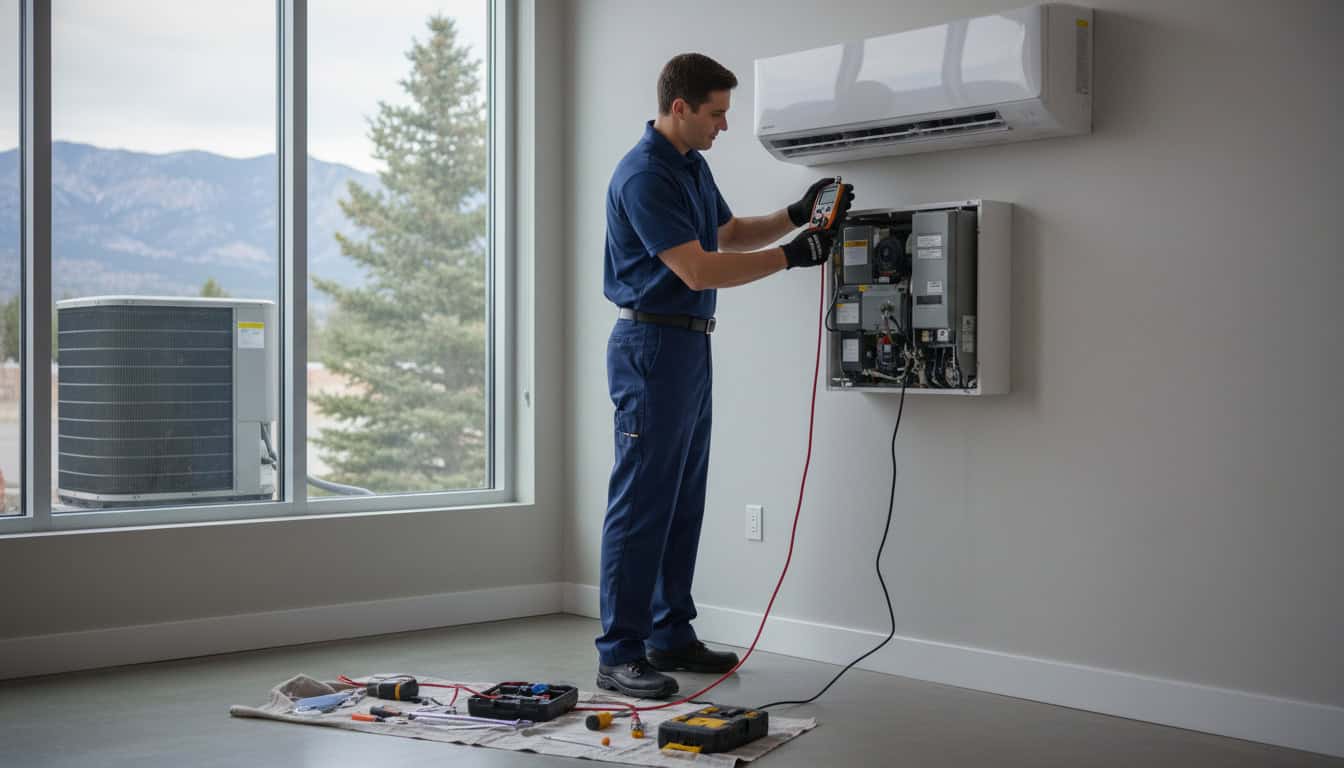
The maintenance and repair work, together with ductless HVAC services in Colorado Springs, CO, aim to create a comfortable home environment that does not put excess strain on your heating system. People expect HVAC companies in Colorado Springs to deliver this basic service, which our company uses as our minimum work standard for every project we complete.
Conclusion
Humidity is tricky. It doesn’t just heat your home; it changes how your body feels that heat. That’s why cooling efficiency matters more than just lowering the thermostat. Keep airflow clean. Don’t block vents. Take care of the outdoor unit. Seal the small leaks. And don’t ignore maintenance.
These are simple things, but together they make a real difference. That’s how you get better comfort without pushing your system into overdrive and improve HVAC Energy Efficiency in a way you actually notice day to day.
Ready for better cooling?
FAQs
Q. How does HVAC Solutions improve HVAC Energy Efficiency in humid weather?
HVAC Solutions assists homeowners through three services. The company uses three methods to check HVAC systems, which include testing airflow and conducting system cleaning, and their team improves humidity control systems. The system maintains consistent cooling with stable energy consumption during humid weather because it operates without excessive strain.
Q. Why does my house feel sticky even when the AC is running?
The house maintains a sticky feeling even when the AC system operates. The reason for this phenomenon is that humid air contains additional water. The AC system must eliminate all the moisture from the environment while it performs its primary function of air cooling.
Q. How often should I really change my AC filter?
During humid months, once a month is a safe rule. If you have pets or live in a dusty area, you may need to check it even sooner. A clean filter keeps airflow steady and helps the system breathe properly.
Q. Do fans actually help reduce cooling costs?
Yes, indirectly. Fans don’t cool air, but they help your body feel cooler. That means you can keep the thermostat a bit higher without discomfort, which reduces strain on your AC and improves overall efficiency.