A lot of people leave the heat running all day because they think turning it off will somehow cost more later. Others do the exact opposite and keep shutting it down to “save money.” Both sides of the argument fail to understand the main issue. Your heating bill depends on three factors, which are your system operation, your home’s heat retention, and your daily thermostat usage.
People often underestimate the importance of their daily small habits. Furnace operation knowledge enables you to achieve three goals, which are cost reduction, comfort maintenance, and increased furnace efficiency through simple methods.
So, Does Turning the Heat Off Save Money?
Your house loses heat because of its natural temperature loss process. The furnace system needs to operate continuously because it must replace all lost heat. The furnace operates less frequently when you decrease the thermostat setting during your sleep and when you leave home for the day.
That’s where the savings happen. A lot of homeowners think the furnace has to “work extra hard” to warm the house back up later. That sounds true, but furnaces don’t really work harder. The system continues its operation until it achieves the temperature that you established for control. The system consumes less energy during its operation than it takes to maintain continuous heating throughout the entire day.
The Real Problem? Huge Temperature Swings
This is where people accidentally waste money. They’ll shut the heat completely off for half the day, come home freezing, then crank the thermostat way up, trying to heat the place faster.
Doesn’t work like that. Your furnace heats at the same speed no matter what number you punch into the thermostat. Setting it to 80 instead of 70 just makes it run longer.
A better move is keeping temperatures steady with small adjustments instead of dramatic ones. That helps improve home heating efficiency and usually keeps the house feeling more comfortable, too.
Quick Things That Actually Help Lower Heating Bills
Some very simple habits can make more of a difference than most people anticipate:
- Set your thermostat down by few degrees while sleeping
- Change dirty air filters regularly
Nothing fancy. Just practical stuff people forget to do.
Older Furnaces Struggle More
If your furnace is older, you’ve probably noticed the house takes forever to warm up sometimes. That’s because older systems lose efficiency over time. They run longer, burn more fuel, and usually heat unevenly. Some rooms feel warm while others stay freezing.
That’s why homeowners replacing old systems often start paying attention to furnace efficiency ratings before buying a new unit. Newer systems are built to heat homes more evenly without burning through as much energy every month.
Your House Might Be the Bigger Problem
Honestly, sometimes the furnace isn’t even the issue. Bad insulation, drafty windows, attic leaks, or damaged ductwork can make warm air disappear fast. The furnace just keeps running, trying to catch up.
Before blaming the heating system, check the basics:
- Drafts around windows and doors
- Dirty filters
- Closed or blocked vents
- Poor attic insulation
Little things stack up quickly during winter. High Heating Bills?
Why an Energy Efficient Furnace Matters
There’s only so much you can do with thermostat settings if the system itself is outdated. An energy efficient furnace can make a pretty noticeable difference in monthly bills, especially during long winters. Most newer models heat more consistently and don’t need to run as long to keep the house comfortable.
You also deal with fewer repairs and less noise, which honestly matters more than people expect.
Commercial Buildings Deal With This Too
This isn’t just a homeowner problem, either. Businesses waste a ton of money heating empty buildings overnight because nobody adjusts the thermostat properly. Companies handling commercial HVAC Colorado Springs projects usually focus heavily on scheduling systems and zoning because heating large buildings gets expensive fast.
The same basic rule applies everywhere: overheating costs money.
Sometimes You Just Need a Repair
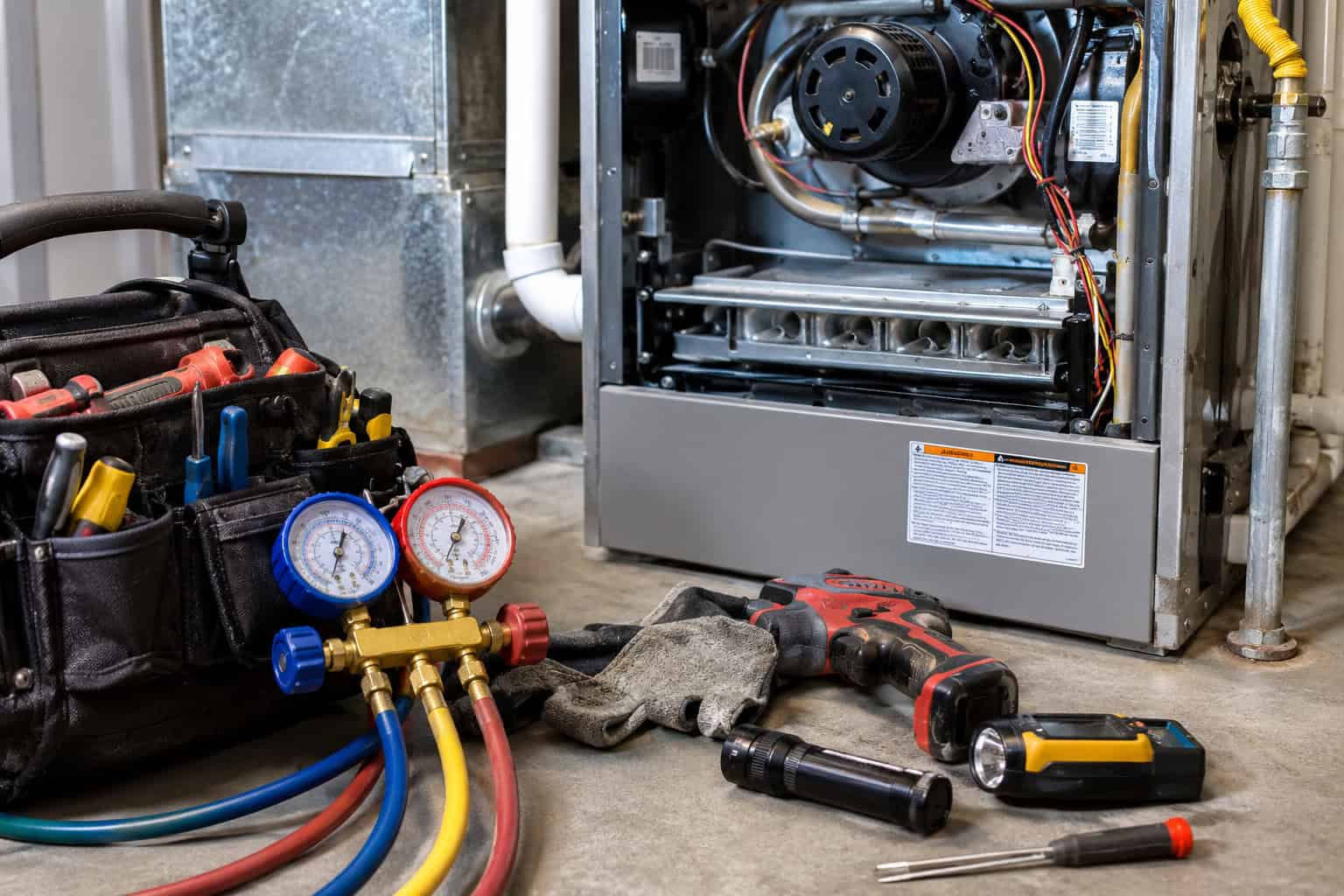
The thermostat settings do not account for all the reasons why people experience high heating costs. A dirty burner and weak airflow, together with a failing blower motor and clogged filter, will make the furnace operate for extended periods. Most homeowners ignore small issues until the bill suddenly spikes.
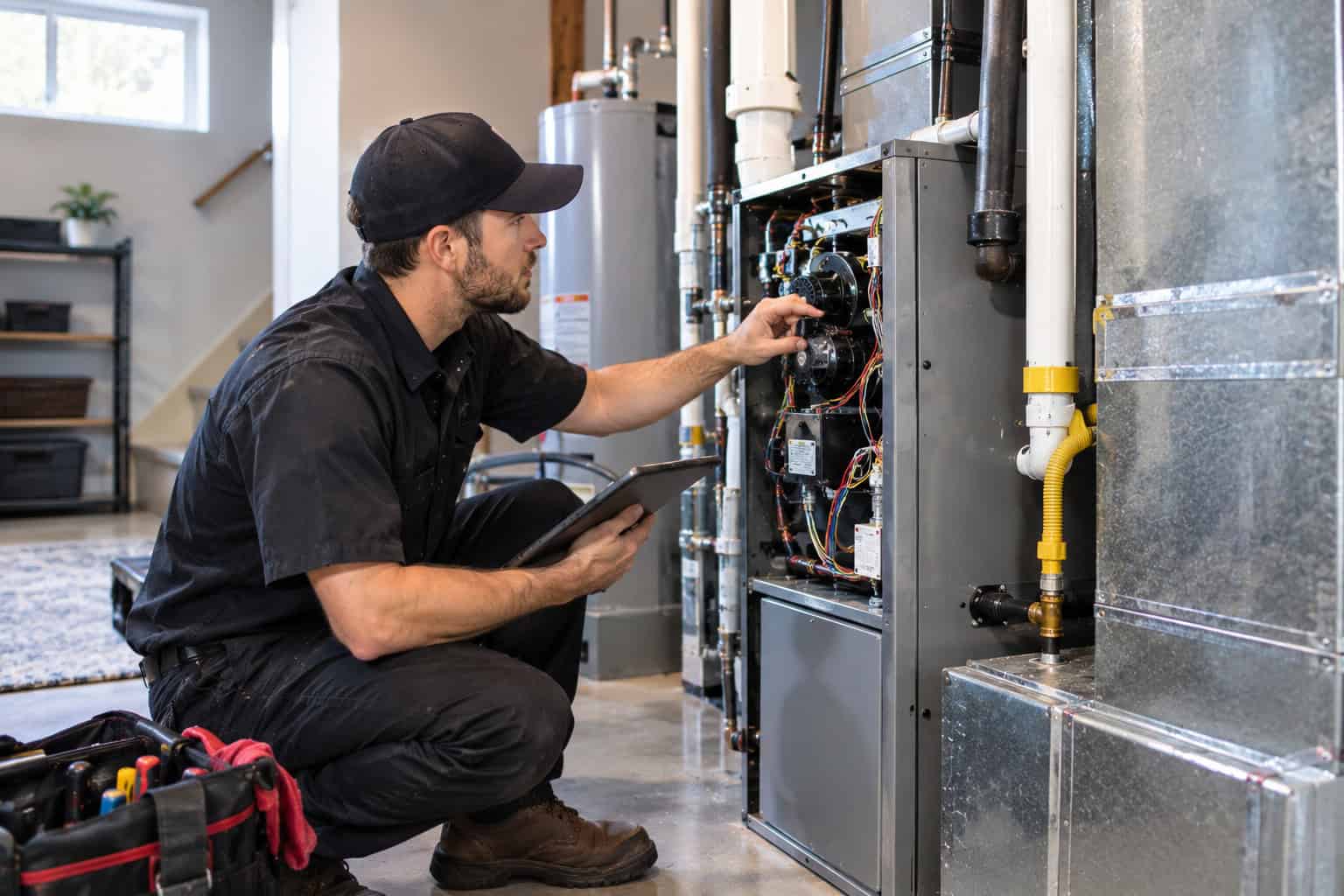
Getting professional heating repair Colorado Springs service before winter usually saves money in the long run because small problems don’t turn into major breakdowns.
Even Your AC System Plays a Role
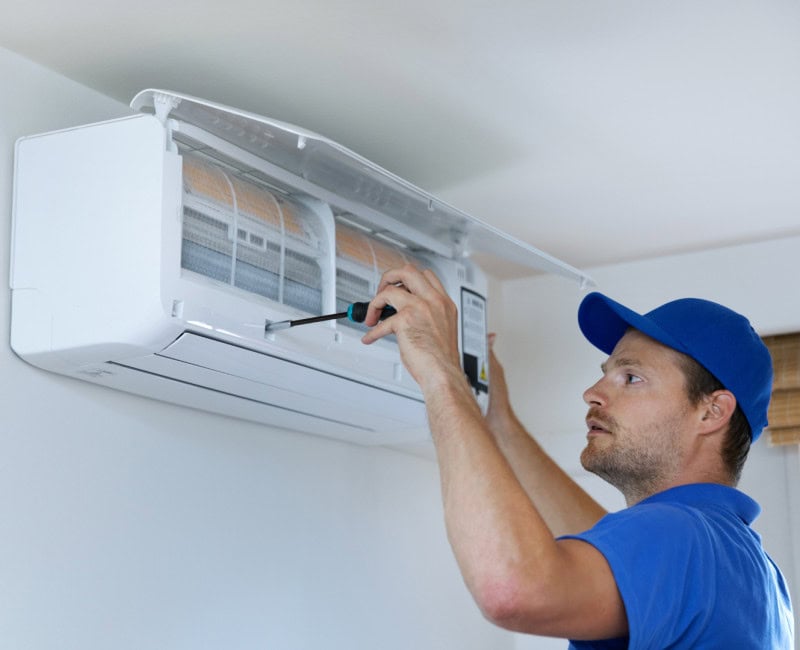
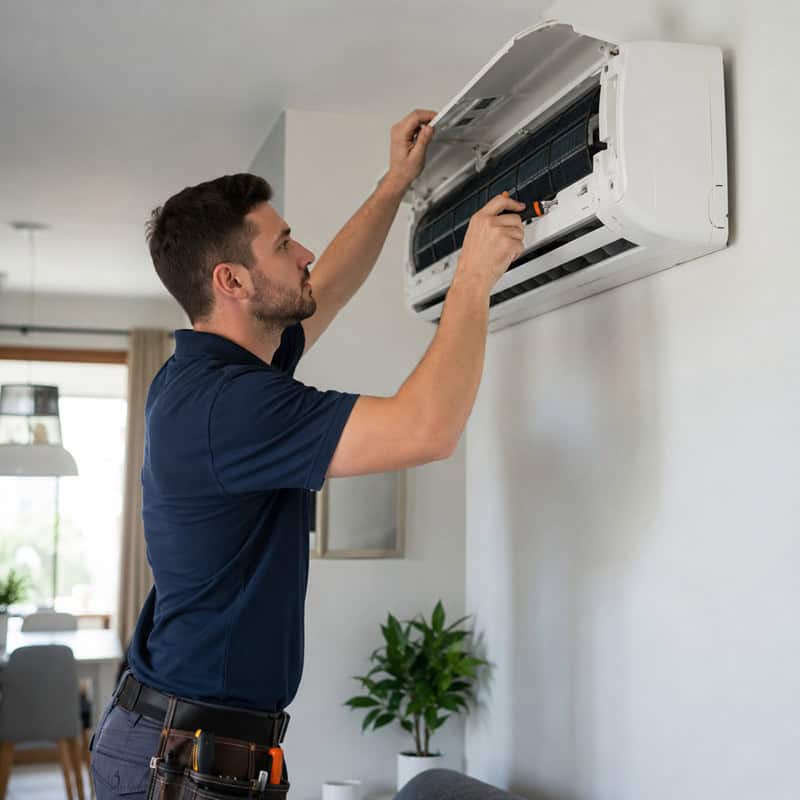
Most people never think about this part. Your ductwork handles both heating and cooling airflow. So if the ducts leak or airflow is restricted, your furnace struggles too. That’s why companies working on Commercial air conditioning Colorado Springs systems often inspect the full HVAC setup instead of treating heating and cooling separately. Everything connects.
What We Tell Homeowners at HVAC Solutions Colorado Springs?
At HVAC Solutions Colorado Springs, we talk to homeowners every winter who are frustrated with high energy bills. Most of the time, the answer isn’t keeping the heat fully on or fully off all day. It’s balance.
The most effective way to improve HVAC systems requires three specific actions, which include better thermostat management, system upkeep, and checking furnace performance. The system operates at its best when all components receive proper maintenance because it increases furnace efficiency and reduces equipment damage during wintertime operations.
Conclusion
So, does turning the heat on and off raise your energy bill? Not really. In most situations, lowering the thermostat when you don’t need full heat actually helps reduce energy costs. The main requirement for success consists of two tasks that need to be completed. The combination of an effective furnace system with proper insulation plus intelligent thermostat usage will deliver greater cost savings than the practice of continuously raising and lowering heating levels throughout the entire winter season.
The HVAC system undergoes complete system operation after implementation of these minor adjustments, which provide significant furnace efficiency advantages for the entire system. Furnace Working Too Hard?
FAQs
Q. Does HVAC Solutions help improve furnace efficiency?
Yes. HVAC Solutions Colorado Springs helps homeowners improve furnace efficiency through maintenance, inspections, airflow testing, and system repairs. Small problems like dirty filters, blocked vents, or leaking ducts can quietly increase heating costs. Regular service helps the furnace run more smoothly, heat the home evenly, and avoid wasting energy during the winter months.
Q. Is it cheaper to leave the heat running all day?
Usually no. The practice of decreasing thermostat settings during your absences and sleeping times results in greater financial savings than maintaining continuous home heating. The furnace operates efficiently because it only requires existing energy to maintain home temperatures. The practice of controlled temperature adjustments during winter months results in two benefits which include energy conservation and reduced heating expenses.
Q. Can turning the heat on and off damage a furnace?
Normal thermostat adjustments won’t damage a healthy furnace. Most current systems operate under a design that requires them to shut down and reactivate multiple times during each day. Problems usually come from poor maintenance, dirty filters, airflow restrictions, or worn-out parts. The system needs more frequent maintenance than standard thermostat adjustments which users make during wintertime.
Q. Why does my furnace keep running constantly in winter?
A furnace that runs nonstop usually points to another issue. Poor insulation, air leaks, clogged filters, or duct problems can make the house lose heat too quickly. Older systems may also struggle to keep up during freezing temperatures. A professional inspection can usually identify what’s causing the excessive runtime and higher bills.